
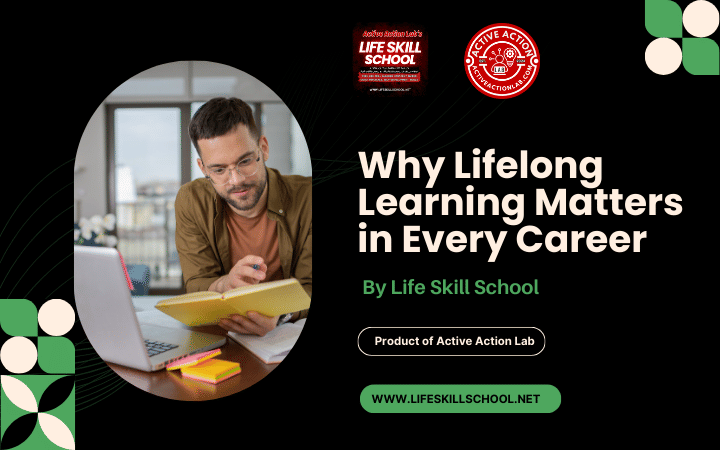
Lifelong learning is a continuous process where individuals seek knowledge and skills throughout their lives, whether through formal education or self-study. This ongoing growth fosters a mindset of curiosity and adaptability, which is increasingly essential in today’s ever-changing job market. Lifelong learners often find better career advancement opportunities, as they are more likely to keep their skills relevant and meet evolving demands. Moreover, acquiring new knowledge not only builds confidence but also helps close skills gaps between educational outcomes and employer needs. Although challenges like time constraints exist, embracing lifelong learning ultimately leads to personal fulfillment and professional success for individuals and organizations alike.
Table of Contents
1. What is Lifelong Learning?
Lifelong learning is a continuous process of acquiring knowledge and skills throughout one's life. It involves various methods, such as formal education, self-study, and hands-on experiences. This approach encourages individuals to embrace curiosity and adaptability in their careers, making learning a natural part of daily routines. Lifelong learning can also support personal growth, self-improvement, and the development of new interests. It encompasses learning through hobbies, travel, and social interactions, promoting a sense of community and shared knowledge among peers. The process can be self-directed or guided by mentors and educators, acknowledging the importance of emotional intelligence and soft skills. Additionally, lifelong learning involves reflecting on past experiences to enhance future learning.
2. Why Lifelong Learning is Essential for Careers
In today's world, adapting to new technologies and industry trends is vital for job security. Employers increasingly value candidates who demonstrate initiative in learning and personal growth, recognizing that these individuals are more likely to thrive in dynamic environments. Lifelong learning enhances skill sets, increasing the chances of career advancement. For example, a marketing professional who takes the initiative to learn about digital marketing tools can position themselves for promotions or new job opportunities.
Furthermore, continuous learning fosters networking opportunities, connecting individuals with like-minded professionals and potential mentors. This can lead to new job prospects and collaborations that might not have been possible otherwise. Staying competitive in a fast-paced job market is also a significant benefit, as industries evolve and require new skill sets.
Lifelong learning allows for smoother transitions into different roles or even entirely new industries. A software developer, for instance, might pivot to project management by acquiring leadership skills through online courses or workshops. This adaptability not only supports personal career growth but also enhances problem-solving and critical thinking abilities.
Engaging in lifelong learning encourages a proactive approach to career development and planning. It helps individuals build resilience, equipping them to navigate career changes or unexpected challenges with confidence. Ultimately, the pursuit of knowledge throughout one's career is not just beneficial; it is essential for long-term success.
3. Key Benefits of Lifelong Learning
Lifelong learning brings several key benefits that can significantly enhance both personal and professional lives. First, it effectively addresses the gap between educational outcomes and employer needs, ensuring that individuals have the relevant skills that employers are looking for. This is increasingly important in a fast-paced job market, where skills can quickly become outdated. Second, engaging in lifelong learning encourages innovation and creativity in the workplace. For example, employees who continually seek knowledge are more likely to come up with unique solutions to problems, driving progress within their organizations.
Moreover, lifelong learning improves job satisfaction by promoting personal and professional growth. When individuals learn new skills or gain knowledge, they often feel more fulfilled and motivated in their roles. This sense of growth leads to better performance and higher morale. As professionals engage in continuous self-assessment, they identify areas for improvement, which fosters a culture of learning and adaptation.
Additionally, lifelong learning enhances social skills and emotional intelligence, which are vital in team settings. By interacting with diverse groups during learning experiences, individuals develop better communication and collaboration skills. This can lead to a healthier work-life balance, as varied learning approaches allow for exploration of different interests and passions outside of a specific job role.
Lifelong learning also fosters a sense of purpose and fulfillment that goes beyond just job responsibilities. It can lead to increased earning potential over time, as individuals who continuously update their skills are more likely to advance in their careers. Furthermore, engaging in ongoing education supports mental agility and cognitive function as one ages, helping to maintain sharpness and adaptability. Lastly, when organizations promote a culture of lifelong learning, they benefit from enhanced overall performance, innovation, and employee engagement.
4. Effective Strategies for Lifelong Learning
Utilizing online platforms can open up a world of accessible learning opportunities. Websites and apps like Coursera, Udemy, and Khan Academy allow you to learn at your own pace, fitting education into your busy schedule. Setting specific learning goals, such as completing a course or reading a certain number of books each month, helps track progress and keeps you motivated. Incorporating learning into daily routines is also effective; for instance, listening to educational podcasts during your commute can turn travel time into valuable learning moments.
Participating in community workshops or local classes not only enhances your skills but also connects you with like-minded individuals. Engaging in discussion groups or book clubs fosters collaborative learning, allowing you to share insights and perspectives that enrich your understanding. Mobile apps can facilitate quick learning sessions on-the-go, making it easier to squeeze in educational moments during breaks or downtime.
Finding mentors or coaches can provide crucial guidance and accountability, helping you navigate your learning journey. Exploring diverse subjects is vital as it enhances adaptability and versatility, making you more equipped to handle various career challenges. Additionally, taking advantage of free resources available through libraries and community organizations can significantly broaden your knowledge base without financial strain. Lastly, reflecting regularly on your learning experiences reinforces what you've gained, ensuring that knowledge remains fresh and applicable.
Utilizing online platforms for accessible learning opportunities.
Setting specific learning goals to track progress.
Incorporating learning into daily routines, such as podcasts during commutes.
Participating in community workshops or local classes.
Engaging in discussion groups or book clubs for collaborative learning.
Using mobile apps for quick learning sessions on-the-go.
Finding mentors or coaches for guidance and accountability.
Exploring diverse subjects to enhance adaptability and versatility.
Taking advantage of free resources available through libraries and organizations.
Reflecting regularly on learning experiences to reinforce knowledge.
5. Common Challenges in Lifelong Learning
Balancing work, family, and learning commitments can be a real struggle for many professionals. Juggling these responsibilities often leads to time constraints, making it hard to dedicate even a few hours a week to learning. Financial barriers also play a significant role; many people find that quality educational resources, such as courses or workshops, come with a hefty price tag, which can be a deterrent.
Fear of failure is another hurdle. The thought of stepping into a new learning environment or tackling unfamiliar subjects can be intimidating, especially for those who have been out of traditional education for a while. This fear can lead to a lack of motivation or direction, leaving individuals feeling stuck.
Moreover, with an overwhelming number of learning options available, people can easily feel paralyzed by indecision. They may struggle to determine which courses or pathways are truly relevant to their careers. Limited access to technology can further restrict online learning opportunities, particularly for those in rural areas or with fewer resources.
Cultural or organizational resistance to change can also impede learning efforts, especially in workplaces where traditional methods prevail. If an organization does not promote a culture of continuous learning, employees may feel discouraged from pursuing development opportunities. Inconsistent support from employers for employee development can leave individuals feeling unsupported in their quest for growth.
Lastly, effective time management is crucial. Without a structured approach to learning, individuals may find it challenging to participate regularly in educational activities, which can stall their progress.
6. Lifelong Learning and Organizational Success
Organizations that prioritize lifelong learning experience numerous benefits that contribute to their overall success. Employees in such environments tend to be more engaged and satisfied, as they feel valued and supported in their professional growth. This commitment to learning fosters a culture of collaboration and knowledge sharing among teams, where individuals are encouraged to communicate openly and brainstorm new ideas together. As a result, innovation thrives, with employees feeling empowered to explore and implement fresh concepts without fear of failure.
Moreover, a focus on continuous learning enables companies to adapt quickly to market changes and evolving demands. When employees are equipped with up-to-date skills and knowledge, they can pivot swiftly, ensuring that the organization remains competitive. This adaptability is particularly crucial in industries that are constantly shifting.
Investing in lifelong learning also plays a vital role in succession planning. By developing future leaders internally, organizations can ensure a seamless transition when key positions become available, reducing the risks associated with external hires. Additionally, a strong commitment to employee growth enhances a company's brand reputation, making it more attractive to potential employees who prioritize personal and professional development.
Companies that emphasize learning often see lower turnover rates, as employees feel a sense of loyalty when they know their employer is investing in their future. This investment in growth not only increases productivity and efficiency through a more skilled workforce, but it also cultivates a learning-oriented mindset across all levels of the organization. Ultimately, aligning employee skills with the strategic goals of the business drives success and positions the organization for sustained growth.
Frequently Asked Questions
What is lifelong learning and why is it important?
Lifelong learning means continuously improving your skills and knowledge throughout your life. It's important because it helps you stay relevant and adapt to changes in your career.
How does lifelong learning benefit my career?
Lifelong learning can boost your career by enhancing your skills, making you more competitive for job opportunities, and helping you grow within your current role.
Can I pursue lifelong learning while working full-time?
Yes, many people balance full-time jobs with learning by taking online courses, attending workshops, or reading books in their spare time.
What are some ways to engage in lifelong learning?
You can engage in lifelong learning through various methods like online classes, webinars, professional development seminars, or even joining interest-based groups.
Does lifelong learning apply to every profession?
Absolutely, lifelong learning is valuable in every profession, as industries are always evolving and new skills are needed to keep up.
TL;DR Lifelong learning is the ongoing pursuit of knowledge and skills crucial for career growth. It enhances adaptability and keeps skills relevant, aiding in career mobility. Key benefits include closing skills gaps and fostering organizational success. Strategies like microlearning, online courses, and networking help overcome challenges such as time constraints and fear of change. Embracing lifelong learning leads to personal satisfaction and economic growth.