
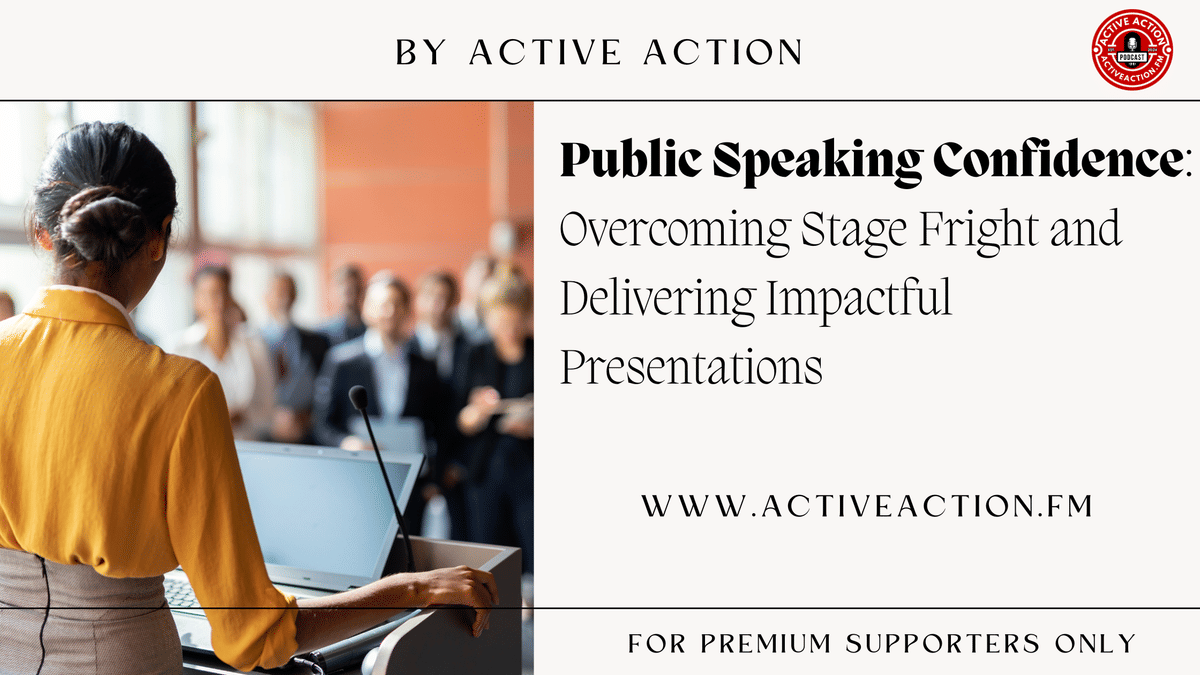
Many people experience fear when it comes to public speaking, with over 63.9% of college students admitting to this anxiety. Recognizing your fear is the first step to overcoming it. Preparation is essential; knowing your material inside and out boosts confidence. It helps if you engage with the audience by making eye contact or asking questions, which can significantly ease nerves. Additionally, channeling nervous energy into enthusiasm about your topic makes a difference. Practice gradually by starting with small groups and utilizing feedback for improvement after each presentation. Remember to embrace mistakes as learning opportunities while maintaining a strong opening and closing statement during your talks.
Table of Contents
11. Seeking Feedback for Continuous Improvement
Seeking feedback after your presentations is crucial for growth. Reach out to trusted friends or colleagues and ask for their honest opinions. They can provide valuable insights that you might overlook. Consider recording your speeches digitally, allowing you to analyze your performance later. Pay attention to specific areas like body language, vocal delivery, or content clarity. Joining public speaking groups is also beneficial, as feedback is often a regular part of these meetings. You might even create a feedback form for your audience to fill out after your talk, gathering structured responses that can guide your improvement.
When reflecting on the feedback you receive, prioritize actionable insights that you can implement in your next presentation. It’s important to remain open to both positive and constructive criticism; this mindset fosters growth and helps you become a better speaker. Incorporate the feedback into your practice sessions, ensuring continuous improvement. Additionally, seek feedback from diverse audiences to gain varied perspectives, enriching your understanding of how different people perceive your message. As you notice improvements over time, celebrate these milestones, recognizing how feedback has contributed to your development as a confident speaker.
Feedback Methods | Focus Areas | Action Steps |
|---|---|---|
Ask trusted friends or colleagues for their honest opinions after presentations. | Body language, vocal delivery, content clarity. | Reflect on feedback received and prioritize actionable insights for your next presentation. |
Use digital tools to record your speech and analyze your performance. | Specific areas identified by peers. | Incorporate feedback into your practice sessions for continuous improvement. |
Join public speaking groups where feedback is a regular part of the process. | All aspects of presentation. | Be open to both positive and constructive criticism to foster growth. |
Create a feedback form for your audience to fill out after your talk. | Engagement levels, clarity of message. | Consider seeking feedback from diverse audiences to gain varied perspectives. |
Celebrate improvements over time, acknowledging how feedback has helped you grow. | General performance and response to the audience. | Reward yourself for implementing feedback in future presentations. |
12. Utilizing Audiovisual Aids Wisely
Using audiovisual aids effectively can significantly enhance your presentation, making it more engaging and memorable. Keep your slides simple, focusing on minimal text and impactful visuals. High-quality images and graphics should complement your message, not distract from it. Stick to a limited number of slides to maintain your audience's focus on you rather than the screen. Practice with your aids to ensure smooth transitions and timing during your talk. Remember, the aids should support your points, like a well-placed quote or an illustrative diagram, rather than pull attention away from your delivery.
Using videos or audio clips can add depth to your presentation, but use them sparingly to avoid overwhelming your audience. Always check your equipment and technology beforehand to prevent technical issues that could disrupt your flow. While using aids, maintain eye contact with your audience, ensuring they feel connected to you, not just the content on the screen. Consider incorporating props related to your topic for a tactile experience, this can make your message more tangible. Lastly, always ensure that your audiovisual aids are accessible to all audience members, so that everyone can fully engage with your presentation.
Ensure your slides are simple, with minimal text and impactful visuals.
Use high-quality images and graphics to complement your message.
Limit the number of slides to maintain audience focus on you, not the screen.
Practice with your aids to ensure smooth transitions during your talk.
Ensure that audiovisual aids support your points, rather than distract from them.
Use videos or audio clips sparingly to enhance specific sections of your speech.
Check equipment and technology beforehand to avoid technical issues during your presentation.
Maintain eye contact with the audience, not just the screen, while using aids.
Consider using props that relate directly to your topic for a tactile experience.
Make sure that all audiovisual aids are accessible to all audience members.
13. Crafting a Strong Opening and Closing
A strong opening can set the tone for your entire talk. Start with a thought-provoking question, like "Have you ever wondered what makes a story unforgettable?" or share a surprising fact that relates to your message, such as a statistic illustrating the impact of effective communication. You can also kick off with a relevant quote, perhaps something from a well-known speaker that resonates with your theme, such as, "The audience is the best judge of the story. If they love it, you win". Additionally, sharing a personal story in your introduction helps create a connection with your audience, making them more invested in what you have to say.
As you approach your conclusion, summarize the key points you've discussed clearly and concisely. This reinforces your message and helps your audience remember the main takeaways. A strong closing should also tie back to your opening, creating a sense of full circle. For example, if you began with a question about unforgettable stories, end by inviting your audience to reflect on their own stories and how they can share them.
Leave your audience with a call to action, encouraging them to engage further with your topic. Whether it's to read a book, visit a website, or simply reflect on their own experiences, this gives them something to ponder after your talk. Humor can also be effective here; a light-hearted comment can ease the mood and make your conclusion memorable. Finally, practice your opening and closing multiple times to ensure you deliver them with confidence and clarity. This will not only enhance your delivery but also leave a lasting impression that resonates beyond your talk.
14. Celebrating Milestones in Your Journey
Celebrating your achievements in public speaking can significantly boost your confidence and motivation. Keeping a journal of your speaking experiences allows you to track your progress over time. Whenever you set small, achievable goals, take a moment to celebrate when you reach them. This could be a simple acknowledgment of your hard work or sharing your success with friends or mentors who can offer encouragement.
Creating a visual timeline of your speaking journey can help you see just how far you have come. By marking key moments, like your first presentation or a particularly challenging speech, you can appreciate your growth. Joining communities or forums dedicated to public speaking can also provide a platform to celebrate successes with like-minded individuals.
After completing a challenging presentation, consider rewarding yourself. This could be anything from treating yourself to your favorite meal to taking a well-deserved break. Reflecting on how feedback has helped you evolve as a speaker is also important. Use this feedback as a tool for growth, and don’t hesitate to attend workshops or events that mark your journey and allow you to learn from others.
Sharing your journey on social media can inspire others who may be on the same path. Looking back at your first presentations can be a humbling experience, reminding you of your progress and encouraging you to keep pushing forward.
15. Practicing Mindfulness for Focused Presentations
Incorporating mindfulness into your public speaking routine can significantly enhance your focus and reduce anxiety. Start by integrating daily mindfulness exercises such as meditation or deep breathing into your schedule. These practices help cultivate a calm mindset, which is crucial before stepping on stage. On the day of your presentation, practice grounding techniques to center your thoughts. This could involve standing tall, feeling your feet on the ground, and taking a few deep breaths to quiet your mind.
During your speech, aim to stay in the present moment. This approach not only eases anxiety but also allows you to connect more authentically with your audience. Visualization techniques can also be beneficial: mentally rehearse a calm and focused presentation, picturing yourself succeeding and engaging with your listeners. Setting a specific intention for each talk can help maintain clarity and purpose, guiding your delivery and helping you stay on track.
Develop a calming pre-presentation ritual that signals to your body and mind that it’s time to focus. This could be as simple as a few moments of silence or a stretch before you begin. When you take the stage, take a moment to observe your audience and breathe before starting. This simple act can ground you and prepare you to speak with confidence.
Throughout your talk, use mindfulness to recognize and manage any nervous energy that arises. If you feel your thoughts racing, incorporate pauses in your speech. These pauses allow you to gather your thoughts, stay present, and create a more engaging rhythm for your audience. After the presentation, reflect on your performance, acknowledging those moments when you were mindful and focused. This reflection not only reinforces positive experiences but also helps you grow as a speaker.
Frequently Asked Questions
How can I prepare my mind to feel more confident before speaking?
You can prepare your mind by practicing relaxation techniques like deep breathing, visualizing success, or repeating positive affirmations that help boost your confidence.
What are some effective body language tips to use while speaking?
Using open gestures, making eye contact with your audience, and standing tall can help convey confidence and keep your audience engaged.
How do I overcome the fear of forgetting my speech?
To combat this fear, practice your speech multiple times, use notes or prompts if needed, and remember that it’s okay to pause and gather your thoughts during the presentation.
What techniques can I use to connect with my audience?
You can connect with your audience by telling relatable stories, asking questions, and incorporating humor, which makes your talk more engaging and memorable.
How can I improve my speaking skills over time?
Improving your speaking skills takes practice, so consider joining public speaking groups like Toastmasters, seeking feedback from others, and continually refining your delivery and content.
TL;DR Public speaking can be intimidating, but with the right strategies, anyone can improve their confidence and effectiveness. Start by understanding the common fear of public speaking and prepare thoroughly. Channel your nervous energy positively and practice gradually with smaller groups. Utilize techniques like visualization and audience engagement to enhance your delivery. Embrace mistakes as learning opportunities and master body language and vocal delivery. Organize your speech effectively, and seek feedback for ongoing growth. Use audiovisual aids to support your message, and ensure strong openings and closings. Celebrate your progress and practice mindfulness to stay focused. With dedication, you can become a compelling speaker and open new professional doors.