

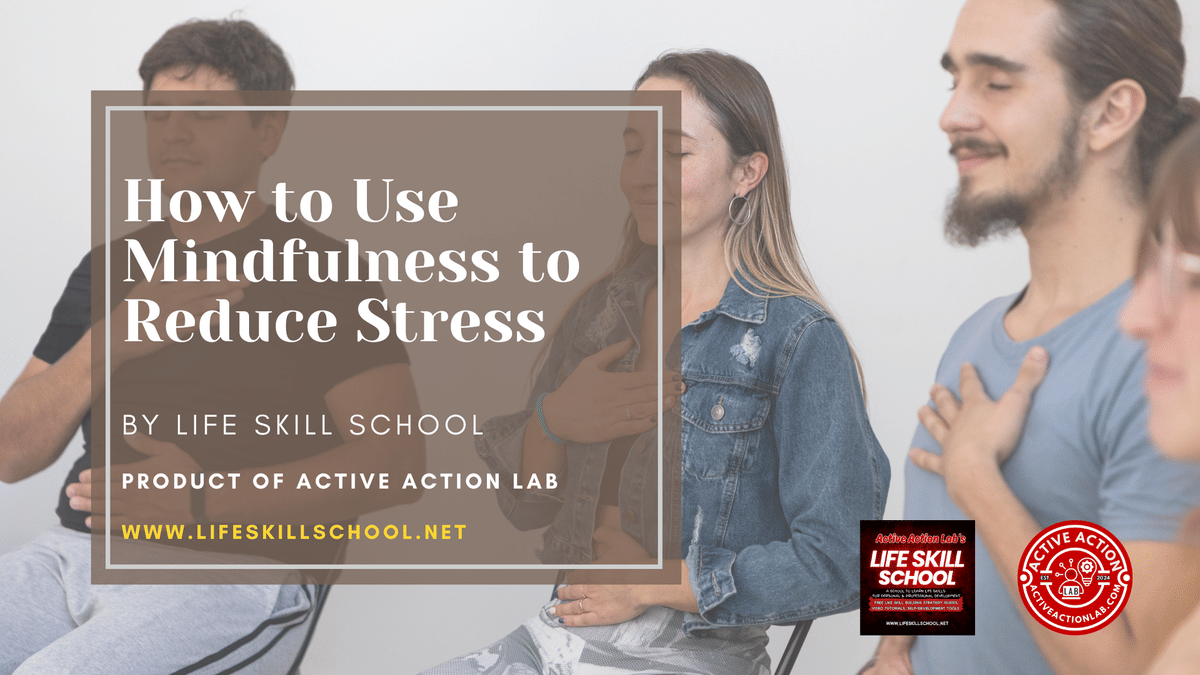
Mindfulness can be a helpful tool for reducing stress in our daily lives. It encourages us to focus on the present moment, rather than stressing about what has happened or what might come next. Simple practices like deep breathing, meditation, or even mindful walking can make a difference. Research shows that being mindful can lower anxiety levels and improve our overall well-being. To start, consider setting aside just a few minutes each day for mindfulness exercises. With consistent practice and awareness, many people notice reduced tension and an enhanced ability to manage stress when it arises, creating a more peaceful mind in the process.
Table of Contents
Understanding Mindfulness and Stress
Mindfulness is all about being present and fully engaged in the moment, which can significantly reduce stress. When we practice mindfulness, we promote relaxation and awareness, allowing ourselves to break free from the constant cycle of worry and anxiety. Research has shown that mindfulness can lower cortisol levels, the hormone linked to stress. By being mindful, we can enhance our emotional regulation, making it easier to manage our feelings in a healthy way. This practice encourages us to adopt a non-judgmental approach to our thoughts and emotions, helping us to observe them without getting caught up in negativity. Studies indicate that mindfulness can improve overall mental health, leading to greater compassion for ourselves and others. This compassion can be particularly helpful in breaking the cycle of negative thinking. Furthermore, mindfulness allows for better focus and clarity of thought, which can be crucial in stressful situations. By incorporating mindfulness into our daily lives, we can create lasting changes that foster a sense of calm and resilience.
The Science Behind Mindfulness Techniques
Research reveals that mindfulness can bring about significant changes in the brain's structure and function. For instance, studies have shown an increase in grey matter in areas of the brain linked to memory, emotion regulation, and self-awareness. Neuroscientific research highlights improved connectivity in brain regions associated with attention and emotion, which can enhance our ability to focus and manage our feelings effectively. Moreover, mindfulness practices activate parts of the brain tied to empathy and compassion, fostering a greater understanding of ourselves and others.
Functional MRI scans demonstrate that brain activity shifts during mindfulness practice, indicating how our mental state changes when we engage in these techniques. Clinical evidence supports the idea that mindfulness can help reduce symptoms of anxiety and depression, promoting a sense of calm and emotional balance. Furthermore, people who practice mindfulness often report improved sleep quality and overall well-being, showcasing its benefits beyond just stress reduction.
Mindfulness also appears to enhance cognitive flexibility, allowing individuals to adapt better to new situations and challenges. This adaptability can be particularly beneficial in managing everyday stressors. Additionally, studies suggest that mindfulness may contribute to healthy aging by lowering stress levels, which is crucial as we navigate life's ups and downs. The effectiveness of mindfulness is backed by numerous clinical trials, solidifying its role as a powerful tool for mental health and stress reduction.
Research Study | Findings | Impact on Stress Reduction |
|---|---|---|
Research by Harvard University | Mindfulness increases grey matter in the brain | May lead to improved emotional regulation and stress response |
Neuroscientific study by UCLA | Enhanced brain connectivity in areas related to attention | Supports stress reduction and better focus |
Functional MRI studies | Altered brain activity during mindfulness | Linked to lower anxiety and stress levels |
Clinical trials reported in various journals | Mindfulness significantly reduces symptoms of anxiety and depression | Enhances overall mental well-being |
Studies on insomnia and sleep quality | Mindfulness practices improve sleep | Indirectly reduces stress through better rest |
Simple Mindfulness Exercises to Try
Start your mindfulness journey with deep breathing exercises. Find a comfortable position, close your eyes, and take slow, deep breaths. Focus on the sensation of air filling your lungs, which helps center your thoughts. Next, practice mindful observation. Take a moment to look around you, noticing colors, shapes, and sounds without judgment. This can ground you in the present.
Another effective exercise is the body scan. Lie down or sit comfortably, and slowly bring your attention to different parts of your body, noticing any sensations or tension. This practice fosters awareness of how your body feels and helps release built-up stress.
Mindful walking is also beneficial. As you walk, pay attention to each step, feeling your feet touch the ground and the rhythm of your movements. This can be a refreshing way to connect with your surroundings.
Consider using guided meditations available on various apps. These can provide structure and support as you explore mindfulness techniques. Mindful eating is another excellent practice. During meals, savor each bite, noticing the flavors and textures, which can enhance your appreciation for food and help you eat more mindfully.
Set a timer for short mindfulness breaks throughout your day. Even just a few minutes of focused attention can help reduce stress. Practicing gratitude by listing things you appreciate can shift your mindset and promote positivity. Journaling your thoughts and feelings mindfully allows you to reflect on your experiences and emotions, fostering a deeper understanding of yourself.
Lastly, incorporate stretching or yoga into your routine. These practices connect your body and mind, enhancing your overall sense of well-being and relaxation.
Start with deep breathing exercises to center yourself.
Practice mindful observation of your surroundings.
Engage in a body scan to notice physical sensations.
Try mindful walking, focusing on each step you take.
Use guided meditations available on various apps.
Incorporate mindful eating by savoring each bite of food.
Set a timer for short mindfulness breaks throughout the day.
Practice gratitude by listing things you appreciate.
Try journaling your thoughts and feelings mindfully.
Incorporate stretching or yoga to connect body and mind.
How to Practice Mindfulness Daily
To weave mindfulness into your daily routine, start by setting aside a specific time each day for practice. This could be in the morning, during lunch, or before bed. Begin with just a few minutes, allowing yourself to gradually increase the time as you feel comfortable. Choose a quiet spot where you can focus without distractions, whether it's a cozy corner of your home or a peaceful outdoor space.
Consider using mindfulness apps to guide your practice. These apps offer structured sessions and reminders to keep you on track. You can also incorporate mindfulness into everyday activities, such as brushing your teeth or washing dishes. Focus on the sensations and movements involved, turning these simple tasks into moments of awareness.
During conversations, practice being fully present. Listen actively and respond thoughtfully, rather than letting your mind wander. Take mindful breaks during work or study sessions to recharge. Even a minute of deep breathing can make a difference. At the end of the day, reflect on moments of mindfulness you experienced, acknowledging how they helped you stay grounded.
Use reminders, like sticky notes, placed around your home or workspace to prompt mindfulness throughout the day. Lastly, consider joining a local mindfulness group. Connecting with others can provide support and accountability on your mindfulness journey.
Mindfulness and Breathing Techniques
Focusing on your breath serves as a powerful anchor for mindfulness. By simply inhaling deeply through the nose and exhaling through the mouth, you can create a calming rhythm that centers your thoughts. One effective method is the 4-7-8 breathing technique, where you inhale for four counts, hold for seven, and exhale for eight. This practice can induce relaxation and help you feel more at ease.
Another useful technique is box breathing, which involves inhaling for four counts, holding for four, exhaling for four, and holding again for four. This can be particularly helpful in times of anxiety, allowing you to regain control and calm your mind. As you practice, pay attention to the rhythm of your breath; this focus can help clear your thoughts and bring a sense of peace.
You might also experiment with different breathing patterns to see how they affect your mood and stress levels. For instance, breath counting can be a helpful tool to maintain focus, count each inhalation and exhalation to keep your mind from wandering.
Incorporating visualization with your breathing can enhance relaxation. As you exhale, imagine releasing tension and inviting calmness into your body. This simple practice can be a lifesaver in moments of stress or panic.
The beauty of these breathing techniques is their versatility; you can practice them anywhere, anytime, making them accessible tools for managing stress.
Using Mindfulness in Challenging Situations
When faced with challenging situations, the first step is often to pause and take a deep breath before responding. This simple act can create a moment of clarity, allowing you to approach the situation more thoughtfully. Acknowledge your feelings without judgment; it’s normal to feel stressed or upset. Instead of pushing those feelings away, recognize them and give yourself permission to experience them.
Mindfulness can help you gain perspective. Ask yourself what is truly important in the moment. This can shift your focus from feeling overwhelmed to understanding the situation better. Practicing self-compassion is also vital during tough times. Remind yourself that everyone encounters difficulties, and it’s okay to struggle.
In moments of conflict, engage in mindful listening. Give your full attention to the other person, which can help defuse tension and foster understanding. Concentrate on what you can control, rather than what feels outside your reach. This focus can help you feel more empowered.
Visualization can be a powerful tool as well; imagine a positive outcome to the situation. This can create hope and motivate you to take constructive steps. Taking a step back to observe your thoughts and emotions can also provide a clearer view of what’s happening.
Practicing gratitude, even in tough times, can shift your focus from what is wrong to what is still good in your life. Finally, using mindfulness can strengthen your resilience and adaptability, helping you navigate through stress with greater ease.
Mindfulness Apps and Resources
Mindfulness apps can be a great way to support your practice. Popular options like Headspace and Calm offer guided meditations, sleep aids, and mindfulness exercises tailored for different needs. If you’re looking for free resources, you can find numerous guided meditations online, often available on platforms like YouTube, where you can follow along with experienced instructors. Many apps also provide reminders throughout the day, nudging you to take a moment to breathe or reflect, which can help integrate mindfulness into your daily routine.
For those interested in a deeper dive, consider enrolling in mindfulness courses or workshops, which are often available online. These structured programs can offer valuable insights and techniques. Additionally, joining online communities or forums focused on mindfulness can provide support and motivation, allowing you to share experiences and learn from others.
Podcasts discussing mindfulness topics are another excellent resource to stay engaged and informed. Listening to expert interviews or discussions can offer new perspectives and techniques to try. Furthermore, reading books by well-known authors in the mindfulness field can deepen your understanding and provide practical strategies.
If you’re looking for immersive experiences, virtual mindfulness retreats can be a unique way to fully engage with mindfulness practices over a few days. These retreats often combine various techniques, providing a holistic approach to stress reduction. With so many resources available, incorporating mindfulness into your life has never been easier.
Creating a Mindfulness Routine
To effectively reduce stress through mindfulness, establishing a routine is key. Start by designating a specific time each day for your practice, whether it's in the morning, during lunch, or before bed. This consistency helps your mind know when to expect this calming time. Choose a comfortable space that promotes relaxation, free from distractions. It could be a cozy corner of your home or a peaceful spot in nature. Begin with short sessions, perhaps five to ten minutes, gradually increasing the duration as you grow more comfortable. Mixing up your techniques can keep your practice engaging; try meditation, deep breathing, or mindful walking. Keeping a mindfulness journal is also beneficial, allowing you to track your progress and reflect on your experiences. Set realistic goals, such as practicing three times a week, to help you stay motivated. Involving family or friends can create a supportive environment; consider inviting them to join you in mindfulness exercises. Flexibility is important too, so adjust your routine as needed to fit your lifestyle. Pairing mindfulness with existing habits, like enjoying your morning coffee mindfully, can help integrate it into your daily life. Lastly, regularly reflecting on your practice can lead to deeper insights and improvements.
Tracking Your Progress with Mindfulness
Using a journal can greatly enhance your mindfulness practice. By noting your thoughts and feelings after each session, you create a personal record that allows you to reflect on your journey. Setting specific mindfulness goals is also beneficial. Check in on these goals weekly to see how you are progressing. Consider using apps that track your mindfulness minutes, as they can provide valuable insights into your practice frequency and duration.
Over time, reflect on any changes in your stress levels. Are you feeling calmer or more in control? Pay attention to improvements in your emotional responses during stressful situations. Celebrate small achievements, whether it’s completing a week of practice or noticing a shift in your mindset. Sharing your progress with a friend or accountability partner can help keep you motivated.
Visual aids, like charts, can be effective for tracking progress. Seeing your growth visually can reinforce your commitment. Regularly revisit your initial reasons for starting mindfulness. This can help you stay focused and adjust your practice based on what you learn about yourself.
Real-Life Success Stories of Mindfulness
Mindfulness has transformed many lives, offering hope and relief to those grappling with stress. For instance, Sarah, a busy mother of three, found that practicing mindfulness helped her manage anxiety that often felt overwhelming. She started with just a few minutes of focused breathing each day, and over time, it became a foundation for her daily routine. Testimonials like Sarah’s highlight how mindfulness can create a sense of calm amidst chaos.
In clinical settings, studies have shown significant improvements in patients dealing with anxiety and depression after engaging in mindfulness programs. For example, a case study from a university demonstrated how participants reported a marked decrease in their stress levels after completing an eight-week mindfulness course. These research findings lend credibility to personal stories of change.
Athletes also embrace mindfulness for performance enhancement. Professional athletes like LeBron James and Novak Djokovic incorporate mindfulness techniques to sharpen their focus and manage pressure, allowing them to perform at their best during critical moments. Their experiences underscore the versatility of mindfulness in various high-stakes environments.
Corporate wellness programs have witnessed similar success. Employees participating in mindfulness initiatives have reported better relationships with colleagues and improved overall job satisfaction. These positive outcomes resonate with people seeking balance in their work lives.
Listening to podcasts or following social media accounts dedicated to mindfulness journeys can provide additional inspiration. Many individuals candidly share their struggles and triumphs, making the practice feel relatable and attainable. Attending local events where people share their mindfulness experiences can also motivate those beginning their own journeys, emphasizing that transformation is possible. These success stories not only inspire but also serve as a reminder that mindfulness is a powerful tool for reducing stress.
Frequently Asked Questions
What is mindfulness and how does it help with stress?
Mindfulness is the practice of being fully present in the moment. It helps reduce stress by promoting relaxation and improving your awareness of thoughts and feelings without judgment.
Can you suggest some simple mindfulness exercises to try?
Sure! You can try breathing exercises, where you take deep, slow breaths. Another option is a body scan, where you focus on relaxing each part of your body.
How often should I practice mindfulness to see benefits?
Even a few minutes of mindfulness practice each day can make a difference. Aim for at least 5 to 10 minutes daily, and gradually increase the time as you get more comfortable.
Can mindfulness really change my stress levels?
Yes, practicing mindfulness can help you respond to stress more calmly. It changes the way you think about stress, making you less reactive to stressful situations.
Is mindfulness suitable for everyone, including beginners?
Absolutely! Mindfulness is for everyone, regardless of experience level. Beginners can start with short, simple practices and build from there.
TL;DR Mindfulness can be a powerful tool for reducing stress. Understanding its principles and the science behind it is key. Simple exercises, daily practices, and breathing techniques help integrate mindfulness into your life. It can also be applied in challenging situations. There are various apps and resources to support your journey. Creating a routine and tracking your progress can enhance the benefits. Many have found success through mindfulness, making it a valuable practice for anyone looking to manage stress effectively.